

In an increasingly competitive logistics landscape, choosing the right transportation service provider is a decision that directly impacts operational efficiency, customer satisfaction, and long-term business growth. A well-aligned provider ensures that goods move seamlessly across routes while minimizing delays, risks, and unexpected costs.
Businesses today must go beyond surface-level comparisons and take a strategic approach when evaluating transportation partners. Factors such as service reliability, technological capabilities, scalability, and industry expertise play a crucial role in determining the effectiveness of a provider.
Why Choosing the Right Provider Matters:
Transportation providers act as an extension of your business operations. Any inefficiency, delay, or miscommunication at this level can ripple across the entire supply chain. A strong provider helps maintain delivery timelines, reduces operational stress, and enhances customer trust.
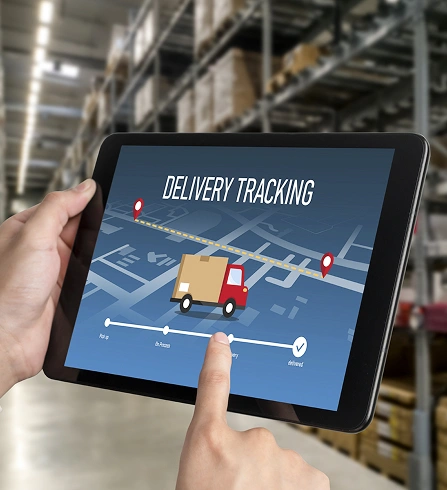
Additionally, with rising customer expectations for faster and more transparent deliveries, businesses must partner with providers who can offer real-time tracking, proactive communication, and consistent performance.
Key Factors to Consider:
When evaluating transportation service providers, businesses should focus on a combination of operational and strategic capabilities:
- Reliability and Track Record: Consistent on-time deliveries and proven performance history
- Service Coverage: Ability to operate across required regions and routes
- Technology Integration: Real-time tracking, automation, and system compatibility
- Cost Efficiency: Transparent pricing without hidden operational costs
- Scalability: Capacity to handle increased demand as the business grows
Each of these factors contributes to building a transportation system that is both efficient and adaptable.
Evaluating Service Quality:
Service quality is not just about delivery speed - it encompasses communication, issue resolution, and overall customer experience. Providers who offer proactive updates, responsive support, and flexible solutions create a smoother logistics process. Regular performance reviews, service-level agreements (SLAs), and clearly defined expectations help ensure that quality standards are consistently met.
The right transportation provider doesn’t just deliver shipments - they deliver consistency, control, and confidence across your entire supply chain.
Building Long-Term Transportation Partnerships:
Selecting a provider is not a one-time decision - it’s the beginning of a long-term partnership. Businesses should focus on building relationships that are based on trust, transparency, and shared goals. Strong partnerships enable better coordination, faster problem resolution, and improved operational efficiency over time. Open communication channels and regular feedback loops help both parties stay aligned and continuously improve performance.
Leveraging Technology for Better Outcomes:
Modern transportation providers bring advanced technology into logistics operations. Features such as GPS tracking, automated dispatch systems, and predictive analytics allow businesses to gain better visibility and control over their shipments. These tools not only improve efficiency but also help in identifying bottlenecks, optimizing routes, and reducing operational costs.
Reducing Risks and Ensuring Reliability:
Risk management is a critical aspect of transportation planning. Delays, damaged goods, and misrouted shipments can disrupt operations and impact customer satisfaction. By partnering with experienced providers who have strong contingency plans and risk mitigation strategies, businesses can minimize disruptions and maintain consistency in their logistics processes.
Final Thoughts:
Choosing the right transportation service provider is a strategic investment in your business’s future. With the right partner, companies can streamline operations, improve delivery performance, and build a logistics system that supports sustainable growth.