

In today’s fast-paced logistics environment, delivery efficiency has become a defining factor for business success. Customers expect faster, more accurate deliveries, and businesses must adapt by implementing smarter logistics strategies to meet these growing demands.
Improving delivery efficiency requires a combination of optimized processes, advanced technology, and data-driven decision-making. It’s not just about moving goods quickly — it’s about ensuring that every step of the logistics process is streamlined, predictable, and cost-effective.
Why Delivery Efficiency Matters:
Efficient delivery systems play a crucial role in maintaining customer satisfaction and operational stability. Delays, errors, or lack of visibility can disrupt the entire supply chain and negatively impact business performance.
By improving delivery efficiency, businesses can achieve:
- Faster order fulfillment and reduced transit times
- Lower operational and transportation costs
- Improved customer satisfaction and retention
- Better coordination across logistics operations
Efficiency ensures that logistics processes run smoothly without unnecessary delays or resource wastage.
Key Strategies for Improving Delivery Efficiency:
Businesses can enhance delivery performance by implementing the following strategies:
- Route Optimization: Using advanced tools to determine the most efficient delivery routes, reducing fuel consumption and transit time
- Automated Scheduling: Streamlining dispatch processes to minimize manual errors and delays
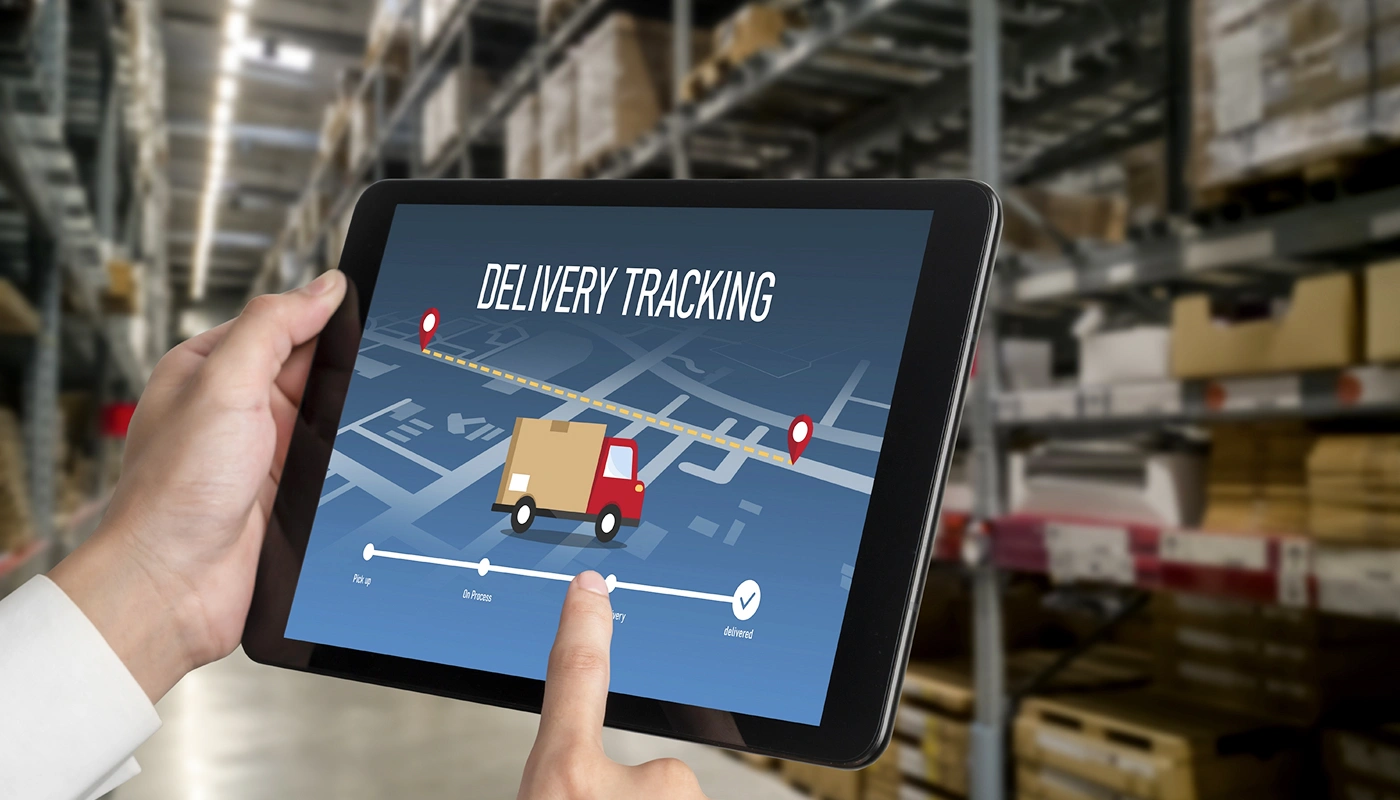
- Real-Time Tracking: Providing visibility into shipments, allowing businesses to monitor progress and respond quickly to issues
- Demand Forecasting: Using data analytics to predict order volumes and plan resources effectively
These strategies help create a logistics system that is both efficient and adaptable to changing demands.
Role of Technology in Smart Logistics:
Technology is at the core of modern logistics efficiency. Advanced systems such as transportation management software (TMS), GPS tracking, and predictive analytics enable businesses to gain real-time insights into their operations. With better visibility and control, companies can identify bottlenecks, optimize workflows, and make informed decisions that improve overall delivery performance.
Reducing Bottlenecks in Operations:
Inefficiencies often arise from bottlenecks in warehousing, transportation, or last-mile delivery. Identifying and addressing these bottlenecks is essential for improving efficiency. Streamlined processes, better coordination, and proactive monitoring help eliminate delays and ensure smooth movement of goods.
Delivery efficiency isn’t just about speed - it’s about precision, visibility, and smart decisions working in perfect sync.
Optimizing Last-Mile Delivery:
The last mile is one of the most critical and complex stages in logistics. It directly impacts delivery speed and customer satisfaction. Efficient last-mile strategies, such as localized distribution centers and optimized delivery routes, help reduce delays and improve service quality.
Enhancing Visibility and Control:
Real-time tracking systems provide businesses with complete visibility over their shipments. This allows for better coordination, faster issue resolution, and improved decision-making. With increased visibility, businesses can proactively manage disruptions and maintain consistent delivery performance.
Continuous Improvement Through Data:
Delivery efficiency is not a one-time achievement - it requires continuous monitoring and refinement. By analyzing performance data, businesses can identify trends, measure success, and implement improvements over time. Regular evaluation ensures that logistics operations remain efficient and competitive.
Balancing Speed and Accuracy:
While speed is important, accuracy is equally critical in logistics operations. Deliveries must be completed correctly and on time to maintain customer trust. A balanced approach ensures that businesses achieve both efficiency and reliability.
Final Thoughts:
Improving delivery efficiency through smart logistics is essential for staying competitive in today’s market. By leveraging technology, optimizing processes, and continuously refining strategies, businesses can create a logistics system that delivers speed, accuracy, and long-term value.