

In today’s on-demand economy, speed has become a defining factor in logistics performance. Customers expect faster deliveries, real-time updates, and consistent accuracy, pushing businesses to rethink traditional logistics models and adopt modern, efficiency-driven strategies.
Modern logistics is not simply about moving goods quickly - it is about creating a synchronized system where every process, from order placement to final delivery, is optimized for speed and reliability. Businesses that embrace these strategies gain a significant competitive advantage in both service quality and operational efficiency.
Why Faster Deliveries Matter:
Faster delivery systems directly impact customer satisfaction and business growth. Delays can lead to missed opportunities, negative customer experiences, and reduced brand trust. By improving delivery speed, businesses can achieve:
- Higher customer satisfaction and retention
- Increased order fulfillment efficiency
- Stronger competitive positioning
- Improved operational flow across supply chains
Speed, when combined with accuracy, becomes a powerful driver of success.
Key Strategies for Faster Deliveries:
To achieve faster delivery timelines, businesses must implement a combination of operational improvements and technological advancements:
- Warehouse Automation: Streamlining picking, packing, and dispatch processes to reduce processing time
- AI-Driven Route Optimization: Using intelligent systems to identify the fastest and most efficient delivery routes
- Decentralized Distribution Centers: Positioning inventory closer to customers to reduce transit distances
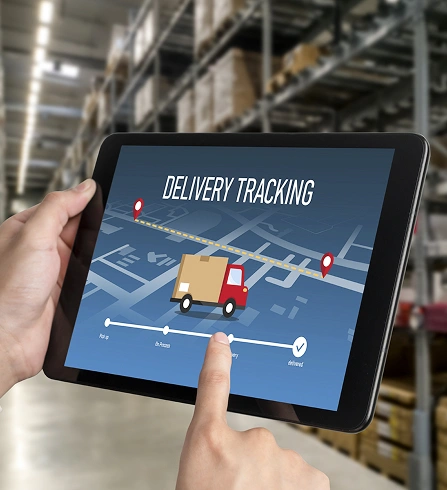
- Real-Time Tracking Systems: Enabling proactive monitoring and quick response to delays
These strategies help create a logistics framework that prioritizes both speed and efficiency.
Role of Technology in Accelerating Logistics:
Technology is at the heart of modern logistics strategies. Tools such as transportation management systems (TMS), automated dispatch platforms, and predictive analytics enable businesses to plan, execute, and monitor operations with precision. With real-time data and insights, companies can anticipate challenges, optimize workflows, and maintain faster delivery cycles.
Eliminating Operational Bottlenecks:
Delays often occur due to inefficiencies in warehousing, routing, or communication. Identifying and addressing these bottlenecks is essential for improving delivery speed. Streamlined workflows, better coordination, and proactive planning help ensure that goods move smoothly through every stage of the logistics process.
Fast deliveries aren’t rushed - they’re engineered through precision, planning, and powerful systems working together.
Optimizing Last-Mile Delivery:
The last mile is one of the most critical stages in logistics, often accounting for the majority of delivery time and cost. Efficient last-mile strategies, such as route clustering and local distribution hubs, significantly improve delivery speed and accuracy.
Enhancing Visibility and Real-Time Control:
Real-time visibility allows businesses to track shipments, monitor performance, and respond quickly to unexpected delays. This level of control ensures that delivery timelines are maintained consistently.
Balancing Speed with Accuracy:
While speed is essential, accuracy must not be compromised. Incorrect deliveries or damaged goods can negate the benefits of faster service. A balanced approach ensures that deliveries are both quick and reliable.
Continuous Improvement Through Data:
Modern logistics relies on continuous evaluation and optimization. By analyzing performance metrics, businesses can identify areas for improvement and refine their strategies over time. This ongoing process ensures sustained efficiency and competitiveness.
Final Thoughts:
Modern logistics strategies enable businesses to deliver faster without sacrificing control or quality. By integrating technology, optimizing processes, and focusing on continuous improvement, companies can build a logistics system that meets the demands of today’s fast-moving market.