
Freight transportation is one of the most critical components of logistics operations, directly influencing both cost efficiency and delivery performance. As businesses expand and supply chains become more complex, optimizing freight transportation becomes essential for maintaining competitiveness and ensuring smooth operations.
Without proper optimization, freight systems can become inefficient, leading to higher costs, underutilized capacity, and delayed deliveries. Businesses must take a strategic approach to refine freight processes, improve coordination, and leverage data to enhance performance.
Why Freight Optimization Matters:
Optimizing freight transportation allows businesses to operate more efficiently while maintaining control over costs and service quality. A well-optimized system ensures:
- Reduced transportation and fuel costs
- Improved delivery timelines and reliability
- Better utilization of vehicles and load capacity
- Enhanced visibility across freight operations
These benefits contribute to a more streamlined and scalable logistics system.
Key Strategies for Freight Optimization:
To improve freight efficiency, businesses can implement several proven strategies:
- Load Consolidation: Combining multiple shipments to maximize vehicle capacity and reduce costs
- Route Optimization: Identifying the most efficient delivery paths to minimize travel time and fuel consumption
- Carrier Performance Evaluation: Selecting carriers based on reliability, cost-effectiveness, and service quality
- Freight Auditing: Monitoring expenses to identify inefficiencies and eliminate unnecessary costs
Each of these strategies helps create a more structured and cost-effective freight operation.
Role of Data and Analytics:
Data plays a crucial role in freight optimization. By analyzing shipping patterns, demand fluctuations, and operational performance, businesses can make informed decisions that improve efficiency. Advanced analytics tools enable companies to forecast demand, plan shipments more effectively, and identify opportunities for improvement.
Improving Load and Capacity Utilization:
One of the most common inefficiencies in freight transportation is underutilized capacity. Empty or partially filled shipments increase costs without adding value. By optimizing load planning and consolidating shipments, businesses can ensure that every trip is used effectively, reducing waste and improving profitability.
Freight optimization is where every mile, every load, and every decision starts working in your favor.
Enhancing Coordination Across Operations:
Freight transportation involves multiple stakeholders, including suppliers, carriers, and distribution centers. Effective coordination ensures that shipments move seamlessly across each stage. Clear communication and integrated systems help reduce delays and improve overall efficiency.
Reducing Operational Costs:
Cost reduction is a major advantage of freight optimization. By improving route planning, load management, and carrier selection, businesses can significantly lower transportation expenses. Efficient freight systems also reduce fuel consumption and minimize unnecessary handling costs.
Supporting Business Scalability:
As businesses grow, logistics operations must scale accordingly. An optimized freight system provides the flexibility needed to handle increased shipment volumes without a significant rise in costs or complexity. This scalability allows businesses to expand confidently while maintaining operational efficiency.
Leveraging Technology for Freight Management:
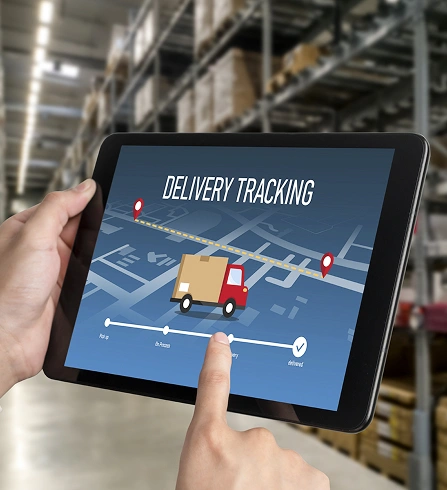
Modern freight optimization relies on advanced tools such as transportation management systems (TMS), real-time tracking, and automated planning software. These technologies provide better visibility, improve decision-making, and enable continuous optimization of freight operations.
Final Thoughts:
Optimizing freight transportation is a strategic necessity for businesses aiming to improve efficiency and support long-term growth. By refining processes, leveraging data, and adopting modern technologies, companies can build a freight system that delivers both performance and profitability.