

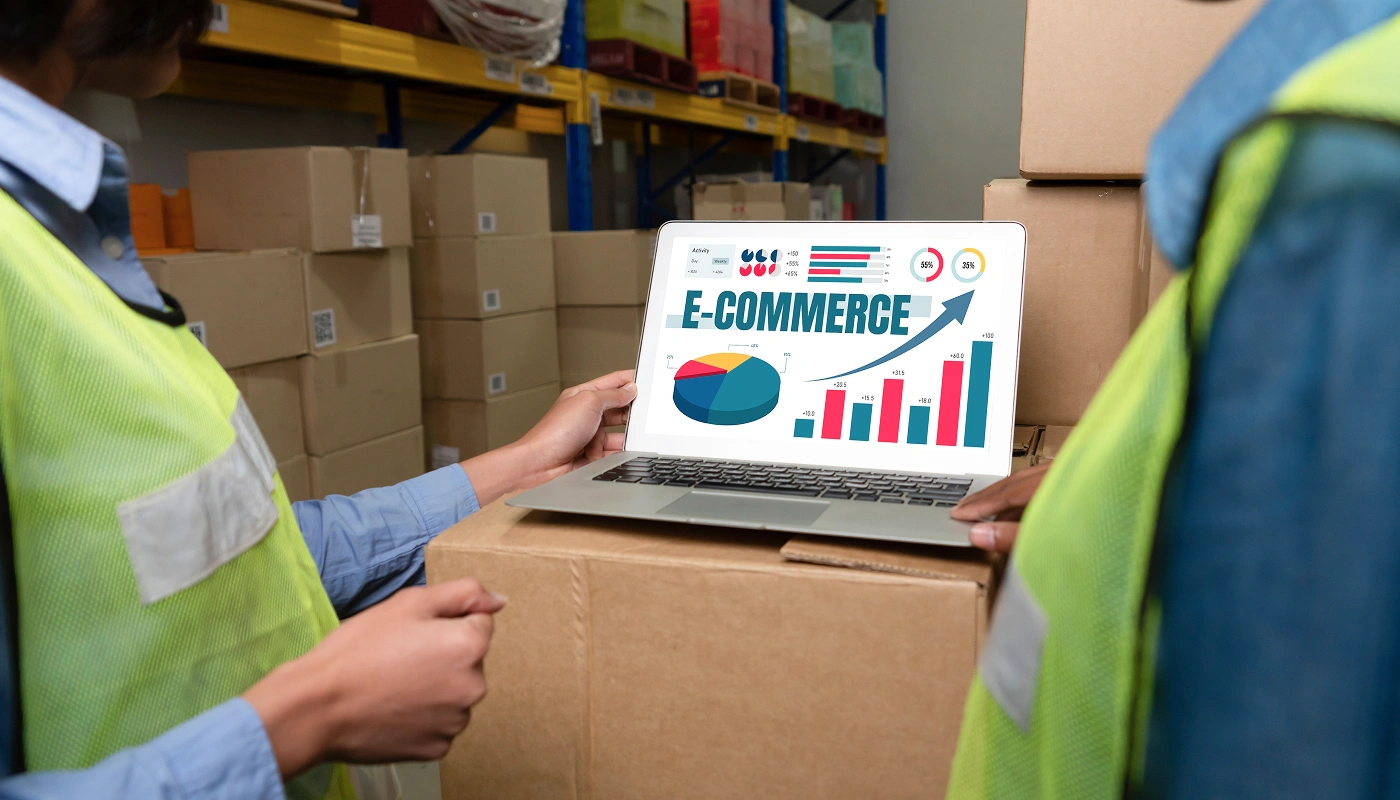
Shipping costs are one of the most significant expenses in logistics operations, directly impacting a company’s profitability and pricing strategy. As supply chains grow more complex, managing these costs becomes increasingly challenging. Businesses must adopt smarter logistics practices to reduce expenses without compromising service quality or delivery performance.
Reducing shipping costs is not about cutting corners - it’s about identifying inefficiencies, optimizing processes, and making data-driven decisions that improve overall operational efficiency.
Why Reducing Shipping Costs Matters:
Controlling shipping expenses allows businesses to operate more competitively and sustainably. High shipping costs can reduce profit margins and limit growth opportunities. By optimizing logistics costs, businesses can achieve:
- Improved profit margins and financial stability
- More competitive pricing for customers
- Better resource allocation across operations
- Enhanced scalability for future growth
Cost efficiency plays a crucial role in maintaining long-term business success.
Key Strategies to Reduce Shipping Costs:
Businesses can implement several effective strategies to control and reduce shipping expenses:
- Route Optimization: Planning efficient delivery routes to minimize fuel consumption and transit time
- Bulk Shipping and Consolidation: Combining shipments to reduce per-unit transportation costs
- Inventory Optimization: Strategically placing inventory to reduce shipping distances and costs
- Carrier Negotiation: Establishing strong relationships with carriers to secure better pricing and terms
Each of these strategies contributes to a more cost-effective logistics operation.
Improving Operational Efficiency:
Inefficiencies in logistics processes often lead to unnecessary costs. Delays, poor planning, and underutilized resources can significantly increase shipping expenses. Streamlining operations, improving coordination, and eliminating waste help businesses reduce costs while maintaining high service levels.
Leveraging Data for Cost Control:
Data analytics provides valuable insights into shipping patterns, costs, and inefficiencies. By analyzing this data, businesses can identify areas for improvement and implement targeted cost-reduction strategies. Data-driven decisions enable more accurate planning and better financial control.
Shipping costs don’t shrink by chance - they shrink when every route, load, and decision is carefully engineered.
Balancing Cost and Service Quality:
While reducing costs is important, maintaining service quality is equally critical. Poor service can lead to customer dissatisfaction and long-term revenue loss. Businesses must ensure that cost-saving measures do not negatively impact delivery reliability or customer experience.
Optimizing Packaging and Handling:
Efficient packaging reduces weight and volume, leading to lower shipping costs. Proper handling also minimizes the risk of damage, avoiding additional expenses.
Strengthening Carrier Relationships:
Building strong partnerships with carriers can lead to better pricing, priority service, and improved reliability. Long-term collaboration creates mutual benefits for both parties.
Continuous Cost Monitoring:
Shipping cost optimization is an ongoing process. Regular monitoring and evaluation help businesses identify new opportunities for savings and maintain efficiency over time.
Final Thoughts:
Reducing shipping costs through better logistics requires a strategic and balanced approach. By optimizing operations, leveraging data, and maintaining service quality, businesses can achieve sustainable cost savings while supporting long-term growth.