
In today’s global and highly interconnected economy, transportation is the driving force behind modern supply chains. As businesses expand across regions and markets, the need for advanced transportation solutions becomes essential for maintaining efficiency, visibility, and control.
Traditional logistics methods are no longer sufficient to handle the complexity and speed required in modern supply chains. Businesses must adopt innovative transportation solutions that integrate technology, streamline operations, and provide real-time insights into every stage of the logistics process.
Why Transportation Solutions Matter in Modern Supply Chains:
Transportation solutions play a critical role in ensuring that goods move efficiently from suppliers to customers. Without effective systems in place, supply chains can become fragmented, leading to delays, increased costs, and reduced operational visibility. By implementing modern transportation solutions, businesses can achieve:
- Improved coordination across supply chain stages
- Enhanced visibility into shipment movement
- Faster and more reliable delivery performance
- Better decision-making through real-time data
These benefits enable businesses to operate more efficiently and respond quickly to changing demands.
Key Transportation Solutions Transforming Supply Chains:
Modern logistics relies on a range of advanced solutions that improve efficiency and performance:
- Digital Freight Platforms: Enabling seamless coordination between shippers and carriers
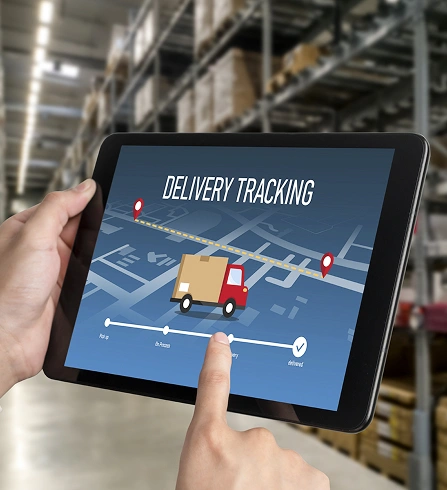
- Real-Time Tracking Systems: Providing live updates on shipment status and location
- Automated Logistics Processes: Reducing manual intervention and improving accuracy
- Integrated Supply Chain Systems: Connecting different stages of logistics into a unified platform
These innovations help create a more connected and responsive supply chain ecosystem.
Role of Data and Connectivity:
Data is at the core of modern transportation solutions. Connected systems allow businesses to collect, analyze, and act on real-time information, improving operational efficiency and decision-making. With enhanced connectivity, businesses can monitor performance, identify inefficiencies, and implement improvements quickly.
Improving Operational Efficiency:
Efficient transportation systems reduce delays, optimize routes, and improve coordination between different logistics stages. This leads to smoother operations and better resource utilization. Businesses that invest in efficient transportation solutions can significantly enhance their overall supply chain performance.
Modern supply chains don’t just move goods - they move with intelligence, visibility, and seamless coordination.
Enhancing Supply Chain Visibility:
Visibility is a key requirement in modern logistics. Real-time tracking and centralized data systems provide businesses with complete insight into their operations. This visibility allows for better planning, faster issue resolution, and improved coordination across all stakeholders.
Strengthening Coordination Across Networks:
Modern supply chains involve multiple stakeholders, including suppliers, carriers, warehouses, and distributors. Effective transportation solutions ensure that all these components work together seamlessly. Improved coordination reduces delays and enhances overall efficiency.
Preparing for Future Logistics Demands:
As supply chains continue to evolve, transportation solutions must adapt to new challenges and opportunities. Emerging technologies such as AI, automation, and predictive analytics will play an even greater role in shaping the future of logistics. Businesses that adopt forward-thinking solutions will be better positioned to stay competitive.
Continuous Optimization and Innovation:
Transportation systems must be continuously evaluated and improved to maintain efficiency. Businesses should focus on innovation and adaptability to keep up with changing market conditions. A proactive approach ensures long-term success and resilience.
Final Thoughts:
Transportation solutions are the backbone of modern supply chains, enabling businesses to operate with efficiency, visibility, and control. By leveraging advanced technologies and optimizing processes, companies can build logistics systems that are not only effective today but also prepared for the future.